Catalog
Filter wide binaries by co-natal status, planet ingestion candidates, separation, Δ[Fe/H], and available spectra.
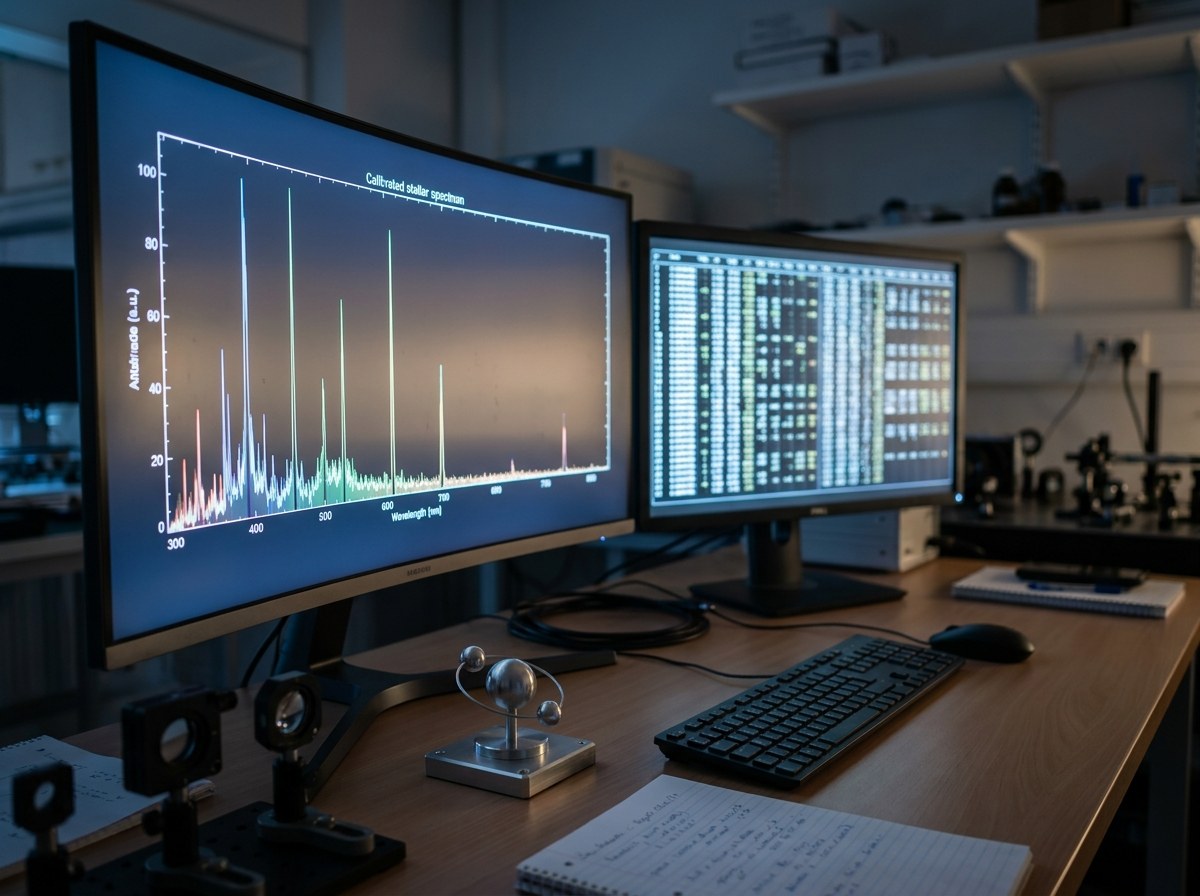
C3PO is a high-resolution spectroscopic survey of 125 bright co-moving stellar pairs. The database brings together precise stellar parameters, chemistry differences, astrometry, measured velocities, equivalent widths, and interactive spectra for wide-binary science.
The public site stays browser-ready, while the full database remains self-contained in the separate C3PO_Database directory with source tables, analysis-ready pickle files, notebooks, scripts, and full CSV spectra.
Filter wide binaries by co-natal status, planet ingestion candidates, separation, Δ[Fe/H], and available spectra.

Inspect high-point browser previews for available C3PO stars, with links back to the source CSV filenames in the database package.

Fly through a self-contained C3PO binary scene using Gaia sky directions, measured stellar colors, catalog pair spacing, and survey flags.
Each embedded panel is the same self-contained tool as its full page. On narrow mobile screens, the heavier flight and spectra panels become lightweight launch cards so the landing page stays fast.
Navigate the Gaia star field with Space and arrow-key controls, then jump to curated C3PO wide binaries rendered as two measured stars inside one pair-level ring.
The landing page skips the embedded 3D Gaia field on phones to keep the first load light. The full flight page is still available when you want the interactive view.
Search, filter, sort, and page through the curated 125-pair browser catalog while preserving links into the spectra viewer for stars with available observations.
Inspect high-point spectra previews linked back to the full-resolution C3PO database files, with instrument filtering, interactive selection, zooming, and panning.
The landing page skips the embedded spectra tool on phones to save data. The full viewer remains one tap away for detailed line inspection.
Six C3PO papers use co-moving pairs as controlled laboratories for chemistry, planet signatures, stellar evolution, magnetic activity, rotation, and wide-binary gravity.
C3PO I shows that many co-moving pairs remain chemically twin-like out to roughly a million Earth-Sun distances, defining the survey's cleanest birth-signature regime.
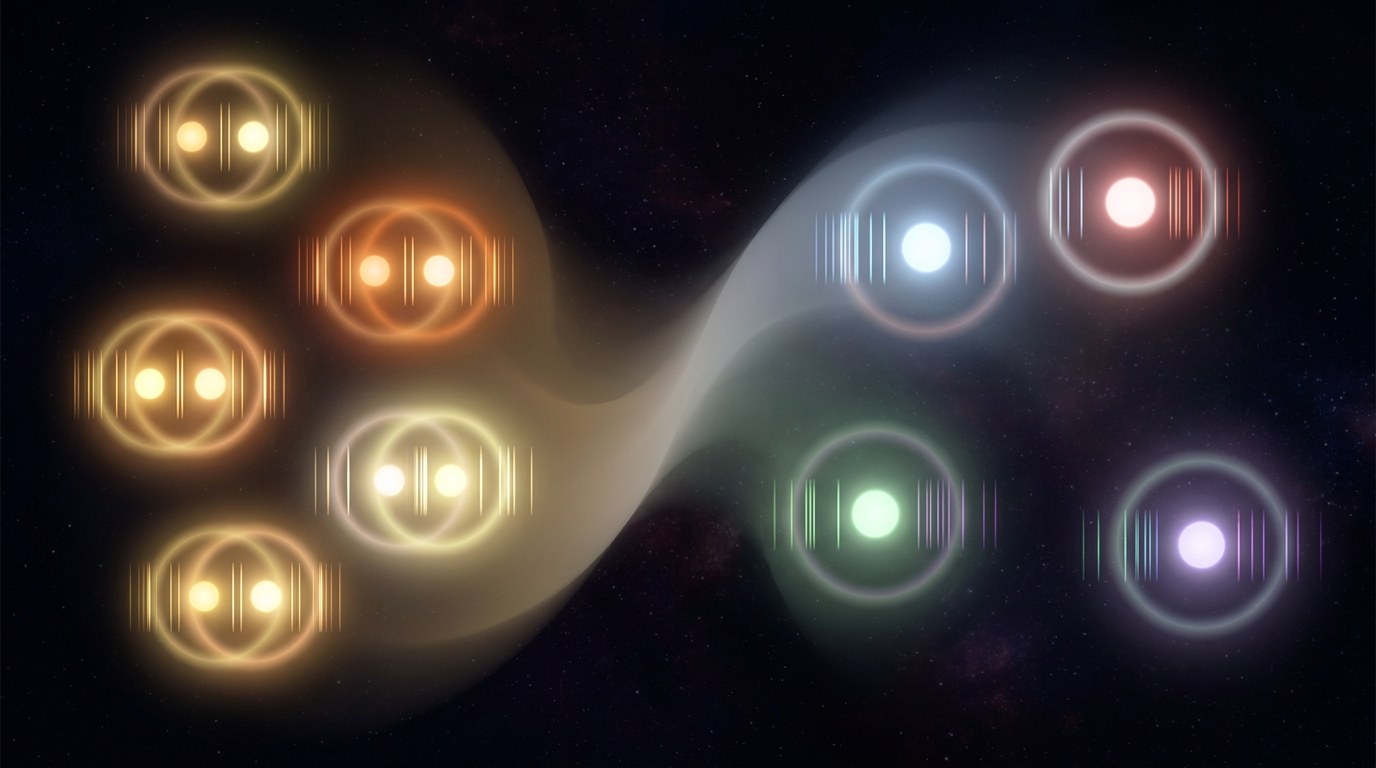
Using co-natal pairs as controlled experiments, C3PO II identifies seven new planet-ingestion candidates, an occurrence rate of about eight percent.

C3PO III shows that planet-engulfment lithium signatures are discernible only for highly similar stars; ordinary stellar evolution can otherwise mask the signal.
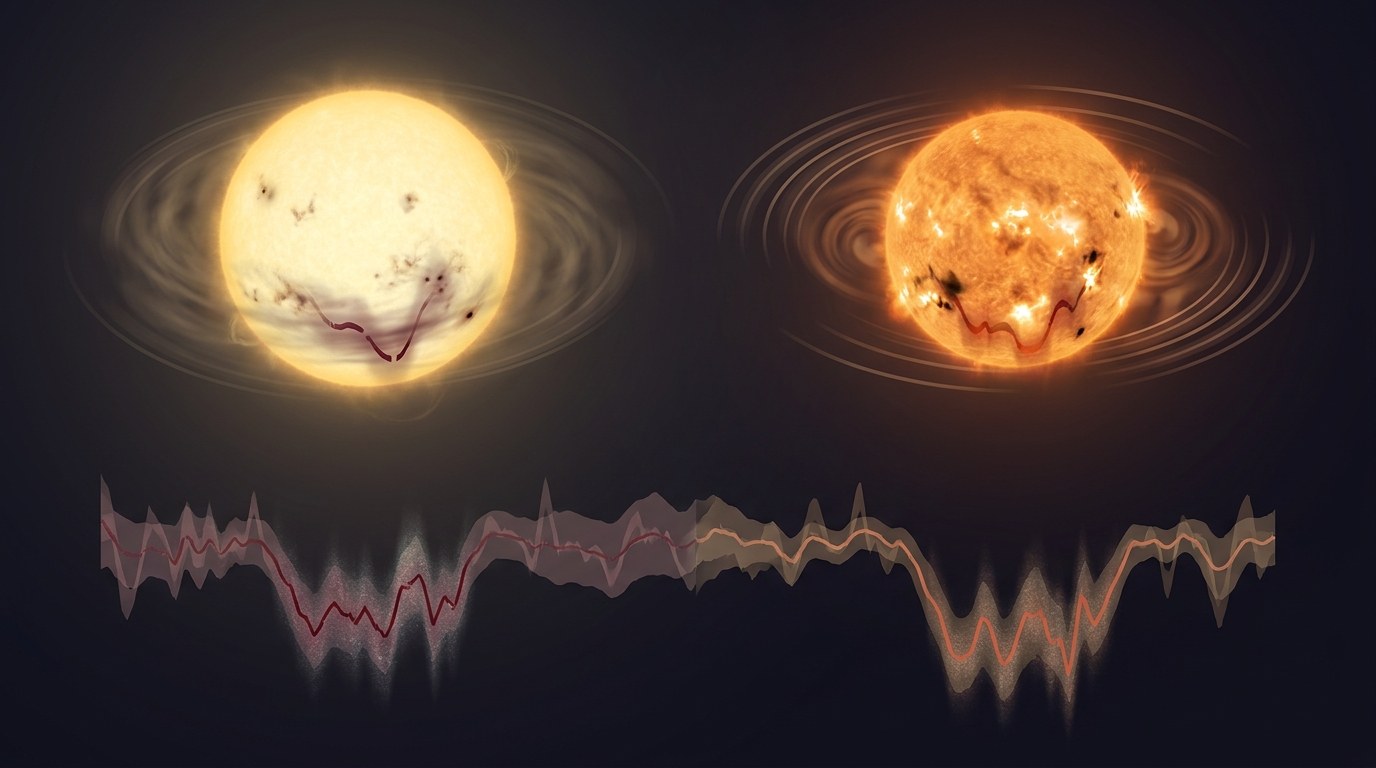
C3PO IV finds that co-natal stars depleted in refractory elements are more magnetically active, connecting planet-formation chemistry to stellar behavior.
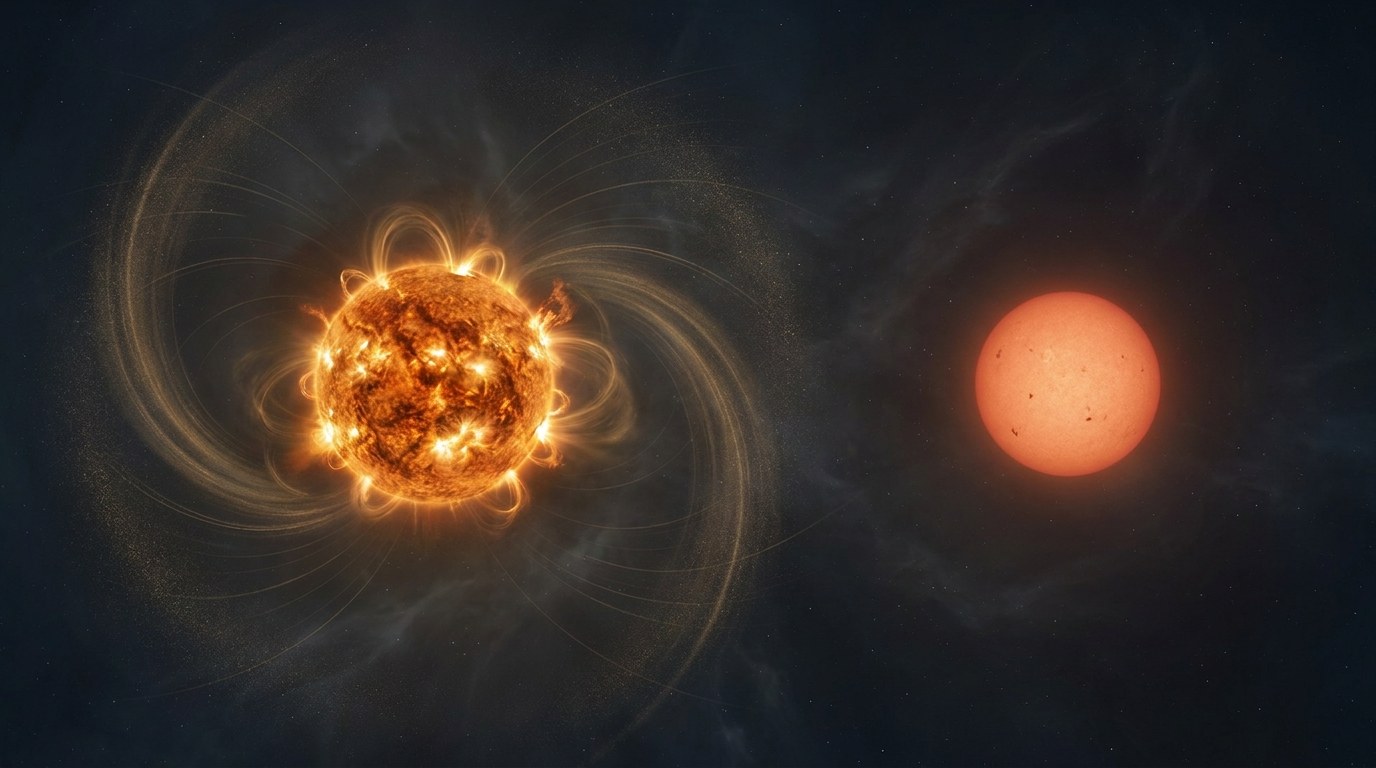
C3PO V uses co-moving pairs around the hot side of the Li dip to isolate rotation-driven mixing as the dominant lithium-depletion process.

C3PO VI measures meter-per-second line-of-sight speed differences for 100 wide binaries, improving on Gaia radial velocities and testing MOND-scale dynamics.